
A poem by Aeschylus (c. 525 – c. 456 Before Christ )
The man who rightly acts without coercion
Will not be grieved, can never wholly sink in wretchedness;
While the lawless criminal is forcibly dragged under
In the current of time when from the shattered mast
The elements rip down his sails.
He shouts, there is no ear to hear him
Struggling, hopeless, at the maelstrom’s center.
Gods laugh at the transgressor now,
Watching him, his pride now wrecked,
Caught in desperation’s shackles.
He flees the rocks in vain;
His fortunes smash on retribution’s reef
And, unmourned, he is engulfed.

A few random poems:
- Владимир Маяковский – Новогодние поздравления (РОСТА №704)
- Новелла Матвеева – Дома без крыш
- Drink of This Cup by Thomas Moore
- Otho The Great – Act III poem – John Keats poems
- Юлия Друнина – Старый Крым
- A Journey Through The Moonlight by Russell Edson
- Blighters by Siegfried Sassoon
- Innermost One by Rabindranath Tagore
- An ode to you by Tanisha Avarsekar
- Юрий Галансков – Шиповник
- A quiet storm by Victor A. Bueno M.
- Николай Языков – А. Н. Очкину (Было время, мой приятель)
- Annus Mirabilis by Philip Larkin
- Sappho To Her Girlfriends by Sappho
- Beautiful Stranger by Vinaya Kumar Hanumanthappa
External links
Bat’s Poetry Page – more poetry by Fledermaus
Talking Writing Monster’s Page –
Batty Writing – the bat’s idle chatter, thoughts, ideas and observations, all original, all fresh
Poems in English
- Arrival by William Carlos Williams
- April Is The Saddest Month by William Carlos Williams
- Après le Bain by William Carlos Williams
- Approach Of Winter by William Carlos Williams
- A Sort Of A Song by William Carlos Williams
- A Goodnight by William Carlos Williams
- A Celebration by William Carlos Williams
- Women And Roses by Robert Browning
- Venus, on a fur by Witty Fay
- Ultima Thule by William Ellery Leonard
- To the Victor by William Ellery Leonard
- The Image Of Delight by William Ellery Leonard
- The First Part: Sonnet 5 – How that vast heaven intitled First is roll’d, by William Drummond
- The First Part: Sonnet 4 – Fair is my yoke, though grievous be my pains, by William Drummond
- The First Part: Sonnet 3 – Ye who so curiously do paint your thoughts, by William Drummond
- The First Part: Sonnet 2 – I know that all beneath the moon decays by William Drummond
- The First Part: Sonnet 14 – Nor Arne, nor Mincius, nor stately Tiber, by William Drummond
- The First Part: Sonnet 13 – O sacred blush, impurpling cheeks’ pure skies by William Drummond
- The First Part: Sonnet 12 – Ah! burning thoughts, now let me take some rest, by William Drummond
- The First Part: Sonnet 11 – Lamp of heaven’s crystal hall that brings the hours, by William Drummond
More external links (open in a new tab):
Doska or the Board – write anything
Search engines:
Yandex – the best search engine for searches in Russian (and the best overall image search engine, in any language, anywhere)
Qwant – the best search engine for searches in French, German as well as Romance and Germanic languages.
Ecosia – a search engine that supposedly… plants trees
Duckduckgo – the real alternative and a search engine that actually works. Without much censorship or partisan politics.
Yahoo– yes, it’s still around, amazingly, miraculously, incredibly, but now it seems to be powered by Bing.
Parallel Translations of Poetry
The Poetry Repository – an online library of poems, poetry, verse and poetic works
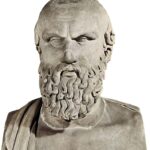
Aeschylus (525 Before Christ to 456 B.C.) was an ancient Greek author of Greek tragedy, and is often described as the father of tragedy. Academics’ knowledge of the genre begins with his work, and understanding of earlier Greek tragedy is largely based on inferences made from reading his surviving plays. According to Aristotle, he expanded the number of characters in the theatre and allowed conflict among them.