
A poem by Aeschylus (c. 525 – c. 456 Before Christ )
Now do our eyes behold
The tidings which were told:
Twin fallen kings, twin perished hopes to mourn,
The slayer, the slain,
The entangled doom forlorn
And ruinous end of twain.
Say, is not sorrow, is not sorrow’s sum
On home and hearthstone come?
Oh, waft with sighs the sail from shore,
Oh, smite the bosom, cadencing the oar
That rows beyond the rueful stream for aye
To the far strand,
The ship of souls, the dark,
The unreturning bark
Whereon light never falls nor foot of Day,
Even to the bourne of all, to the unbeholden land.

A few random poems:
- Book Fifth-Books by William Wordsworth
- Aquamarine Butterfly by Nina Gabriel
- Гавриил Державин – К силуэту Ивана Ивановича Хемницера
- Long, too Long, O Land! by Walt Whitman
- Virginibus Puerisque
- On the Portrait of Two Beautiful Young People poem – Gerard Manley Hopkins poems
- Summon Me by Walid Saba
- Федор Сологуб – Во внутреннем дворе отеля
- Владимир Британишский – Клейнмихель
- Love’s Wisdom poem – Alfred Austin
- Владимир Британишский – Далекая скрипка
- Looking Fire
- Come, come thou bleak December wind (fragment) by Samuel Coleridge
- In a Subway Station by Sara Teasdale
- Old Man Poet by Raj Arumugam
External links
Bat’s Poetry Page – more poetry by Fledermaus
Talking Writing Monster’s Page –
Batty Writing – the bat’s idle chatter, thoughts, ideas and observations, all original, all fresh
Poems in English
- In Imitation of E. of Rochester : On Silence poem – Alexander Pope poems | Poetry Monster
- In Imitation of E. of Dorset : Artemisia poem – Alexander Pope poems | Poetry Monster
- In Imitation of Dr. Swift : The Happy Life of a Country Parson poem – Alexander Pope poems | Poetry Monster
- In Imitation of Cowley : The Garden poem – Alexander Pope poems | Poetry Monster
- In Imitation of Chaucer poem – Alexander Pope poems | Poetry Monster
- Impromptu, to Lady Winchelsea poem – Alexander Pope poems | Poetry Monster
- Imitations of Horace: The First Epistle of the Second Book poem – Alexander Pope poems | Poetry Monster
- From an Essay on Man poem – Alexander Pope poems | Poetry Monster
- Essay on Man poem – Alexander Pope poems | Poetry Monster
- Epistles to Several Persons: Epistle to Dr. Arbuthnot poem – Alexander Pope poems | Poetry Monster
- Epistles to Several Persons: Epistle IV, To Richard Boyle, poem – Alexander Pope poems | Poetry Monster
- Epistle II: To A Lady (Of the Characters of Women) poem – Alexander Pope poems | Poetry Monster
- Epistle To Mrs Teresa Blount.[On Her Leaving The Town After The Coronation] poem – Alexander Pope poems | Poetry Monster
- Epistle To Mrs Teresa Blount.[On Her Leaving The Town After The Coronation] poem – Alexander Pope poems | Poetry Monster
- Epigram Engraved on the Collar of a Dog Which I Gave to His Royal Highness poem – Alexander Pope poems | Poetry Monster
- Eloisa to Abelard poem – Alexander Pope poems | Poetry Monster
- Elegy to the Memory of an Unfortunate Lady poem – Alexander Pope poems | Poetry Monster
- Couplets on Wit poem – Alexander Pope poems | Poetry Monster
- Chorus of Youths and Virgins poem – Alexander Pope poems | Poetry Monster
- Chorus of Athenians poem – Alexander Pope poems | Poetry Monster
More external links (open in a new tab):
Doska or the Board – write anything
Search engines:
Yandex – the best search engine for searches in Russian (and the best overall image search engine, in any language, anywhere)
Qwant – the best search engine for searches in French, German as well as Romance and Germanic languages.
Ecosia – a search engine that supposedly… plants trees
Duckduckgo – the real alternative and a search engine that actually works. Without much censorship or partisan politics.
Yahoo– yes, it’s still around, amazingly, miraculously, incredibly, but now it seems to be powered by Bing.
Parallel Translations of Poetry
The Poetry Repository – an online library of poems, poetry, verse and poetic works
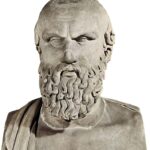
Aeschylus (525 Before Christ to 456 B.C.) was an ancient Greek author of Greek tragedy, and is often described as the father of tragedy. Academics’ knowledge of the genre begins with his work, and understanding of earlier Greek tragedy is largely based on inferences made from reading his surviving plays. According to Aristotle, he expanded the number of characters in the theatre and allowed conflict among them.