
A poem by Aeschylus (c. 525 – c. 456 Before Christ )
Now do our eyes behold
The tidings which were told:
Twin fallen kings, twin perished hopes to mourn,
The slayer, the slain,
The entangled doom forlorn
And ruinous end of twain.
Say, is not sorrow, is not sorrow’s sum
On home and hearthstone come?
Oh, waft with sighs the sail from shore,
Oh, smite the bosom, cadencing the oar
That rows beyond the rueful stream for aye
To the far strand,
The ship of souls, the dark,
The unreturning bark
Whereon light never falls nor foot of Day,
Even to the bourne of all, to the unbeholden land.

A few random poems:
- To Robert Louis Stevenson poem – Alfred Austin
- [Greek Title] by Thomas Hardy
- Владимир Маяковский – Поэт рабочий
- Alice Fell, Or Poverty by William Wordsworth
- Robert Burns: A Dream: Thoughts, words, and deeds, the Statute blames with reason; But surely Dreams were ne’er indicted Treason. On reading, in the public papers, the Laureate’s Ode, with the other parade of June 4th, 1786, the Author was no sooner dropt asleep, than he imagined himself transported to the Birth-day Levee: and, in his dreaming fancy, made the following Address:
- The Promise of Sleep poem – Amy Levy poems | Poems and Poetry
- Dickinson And The Alabaster Gogyohka
- Омар Хайям – Будут гурии, мед и вино
- Ольга Седакова – То в теплом золоте, в широких переплетах
- Sonet 54 by William Alexander
- Федор Сологуб – Скоро солнце встанет
- Indian Love Song by Sarojini Naidu
- Shillin’ a Day by Rudyard Kipling
- The Future Verdict
- Show It At The Beach by Shel Silverstein
External links
Bat’s Poetry Page – more poetry by Fledermaus
Talking Writing Monster’s Page –
Batty Writing – the bat’s idle chatter, thoughts, ideas and observations, all original, all fresh
Poems in English
- O, Were I Loved As I Desire To Be! poem – Lord Alfred Tennyson poems
- O Beauty, Passing Beauty! poem – Lord Alfred Tennyson poems
- Now Sleeps the Crimson Petal poem – Lord Alfred Tennyson poems
- Northern Farmer: New Style poem – Lord Alfred Tennyson poems
- Move Eastward, Happy Earth poem – Lord Alfred Tennyson poems
- Morte D’Arthur poem – Lord Alfred Tennyson poems
- Minnie and Winnie poem – Lord Alfred Tennyson poems
- Milton (Alcaics) poem – Lord Alfred Tennyson poems
- Memoriam A. H. H.: 72. Risest thou thus, dim dawn, again poem – Lord Alfred Tennyson poems
- Memoriam A. H. H.: 67. When on my bed the moonlight fall poem – Lord Alfred Tennyson poems
- Memoriam A. H. H.: 44. How fares it with the happy dead? poem – Lord Alfred Tennyson poems
- Mariana In The South poem – Lord Alfred Tennyson poems
- Mariana poem – Lord Alfred Tennyson poems
- Lucretius poem – Lord Alfred Tennyson poems
- Locksley Hall poem – Lord Alfred Tennyson poems
- Lilian poem – Lord Alfred Tennyson poems
- Late, Late, So Late poem – Lord Alfred Tennyson poems
- Lady Clare poem – Lord Alfred Tennyson poems
- In the Valley of Cauteretz poem – Lord Alfred Tennyson poems
- In Memoriam A. HIn Memoriam A. H. H.: 56. So careful of the type? but no.: 55. The wish, that of the living whol poem – Lord Alfred Tennyson poems
More external links (open in a new tab):
Doska or the Board – write anything
Search engines:
Yandex – the best search engine for searches in Russian (and the best overall image search engine, in any language, anywhere)
Qwant – the best search engine for searches in French, German as well as Romance and Germanic languages.
Ecosia – a search engine that supposedly… plants trees
Duckduckgo – the real alternative and a search engine that actually works. Without much censorship or partisan politics.
Yahoo– yes, it’s still around, amazingly, miraculously, incredibly, but now it seems to be powered by Bing.
Parallel Translations of Poetry
The Poetry Repository – an online library of poems, poetry, verse and poetic works
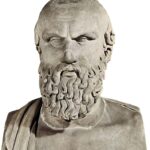
Aeschylus (525 Before Christ to 456 B.C.) was an ancient Greek author of Greek tragedy, and is often described as the father of tragedy. Academics’ knowledge of the genre begins with his work, and understanding of earlier Greek tragedy is largely based on inferences made from reading his surviving plays. According to Aristotle, he expanded the number of characters in the theatre and allowed conflict among them.