
A poem by Aeschylus (c. 525 – c. 456 Before Christ )
Now do our eyes behold
The tidings which were told:
Twin fallen kings, twin perished hopes to mourn,
The slayer, the slain,
The entangled doom forlorn
And ruinous end of twain.
Say, is not sorrow, is not sorrow’s sum
On home and hearthstone come?
Oh, waft with sighs the sail from shore,
Oh, smite the bosom, cadencing the oar
That rows beyond the rueful stream for aye
To the far strand,
The ship of souls, the dark,
The unreturning bark
Whereon light never falls nor foot of Day,
Even to the bourne of all, to the unbeholden land.

A few random poems:
- In Sutton Woods poem – Alfred Austin
- Mustard Flowers
- Joy, Shipmate, Joy! by Walt Whitman
- Home After Three Months Away by Robert Lowell
- Ольга Ермолаева – Когда распрямлюсь, озирая работу мою
- buckingham_palace.html
- Song—Farewell to the Banks of Ayr by Robert Burns
- Song of the Exposition. by Walt Whitman
- A Draught Of Sunshine poem – John Keats poems
- Manure by Mark R Slaughter
- In Imitation of Dr. Swift : The Happy Life of a Country Parson poem – Alexander Pope
- Robert Burns: Hey, The Dusty Miller:
- Granadilla poem – Amy Lowell poems | Poems and Poetry
- Олег Григорьев – Конфеты
- Gin by Philip Levine
External links
Bat’s Poetry Page – more poetry by Fledermaus
Talking Writing Monster’s Page –
Batty Writing – the bat’s idle chatter, thoughts, ideas and observations, all original, all fresh
Poems in English
- Sonnet 133: Beshrew that heart that makes my heart to groan by William Shakespeare
- Sonnet 132: Thine eyes I love, and they, as pitying me by William Shakespeare
- Sonnet 131: Thou art as tyrannous, so as thou art by William Shakespeare
- Sonnet 130: My mistress’ eyes are nothing like the sun by William Shakespeare
- Sonnet 12: When I do count the clock that tells the time by William Shakespeare
- Sonnet 129: Th’ expense of spirit in a waste of shame by William Shakespeare
- The Eolian Harp by Samuel Taylor Coleridge
- Sonnet 32: If thou survive my well-contented day by William Shakespeare
- Sonnet 31: Thy bosom is endearèd with all hearts by William Shakespeare
- Sonnet 30: When to the sessions of sweet silent thought by William Shakespeare
- Sonnet 2: When forty winters shall besiege thy brow by William Shakespeare
- Sonnet 29: When in disgrace with Fortune and men’s eyes by William Shakespeare
- Sonnet 28: How can I then return in happy plight by William Shakespeare
- Sonnet 27: Weary with toil, I haste me to my bed by William Shakespeare
- Sonnet 26: Lord of my love, to whom in vassalage by William Shakespeare
- Sonnet 25: Let those who are in favour with their stars by William Shakespeare
- Sonnet 24: Mine eye hath played the painter and hath stelled by William Shakespeare
- Sonnet 23: As an unperfect actor on the stage by William Shakespeare
- Sonnet 22: My glass shall not persuade me I am old by William Shakespeare
- Sonnet 21: So is it not with me as with that muse by William Shakespeare
More external links (open in a new tab):
Doska or the Board – write anything
Search engines:
Yandex – the best search engine for searches in Russian (and the best overall image search engine, in any language, anywhere)
Qwant – the best search engine for searches in French, German as well as Romance and Germanic languages.
Ecosia – a search engine that supposedly… plants trees
Duckduckgo – the real alternative and a search engine that actually works. Without much censorship or partisan politics.
Yahoo– yes, it’s still around, amazingly, miraculously, incredibly, but now it seems to be powered by Bing.
Parallel Translations of Poetry
The Poetry Repository – an online library of poems, poetry, verse and poetic works
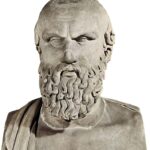
Aeschylus (525 Before Christ to 456 B.C.) was an ancient Greek author of Greek tragedy, and is often described as the father of tragedy. Academics’ knowledge of the genre begins with his work, and understanding of earlier Greek tragedy is largely based on inferences made from reading his surviving plays. According to Aristotle, he expanded the number of characters in the theatre and allowed conflict among them.