
A poem by Aeschylus (c. 525 – c. 456 Before Christ )
Earth is rocking in space!
And the thunders crash up with a roar upon roar,
And the eddying lightnings flash fire in my face,
And the whirlwinds are whirling the dust round and round-
And the blasts of the winds universal leap free
And blow each other upon each, with a passion of sound,
And æther goes mingling in storm with the sea!
Such a curse on my head, in a manifest dread,
From the hand of your Zeus has been hurtled along!
O my mother’s fair glory! O Æther, enringing
All eyes with the sweet common light of thy bringing,
Dost see how I suffer this wrong?

A few random poems:
- Sonnet Ii
- A Dream Or No by Thomas Hardy
- Acrostic : Georgiana Augusta Keats poem – John Keats poems
- Sonnet 18: Shall I compare thee to a summer’s day? by William Shakespeare
- Heart of God by Vachel Lindsay
- Robert Burns: Address Of Beelzebub: To the Right Honourable the Earl of Breadalbane, President of the Right Honourable and Honourable the Highland Society, which met on the 23rd of May last at the Shakespeare, Covent Garden, to concert ways and means to frustrate the designs of five hundred Highlanders, who, as the Society were informed by Mr. M’Kenzie of Applecross, were so audacious as to attempt an escape from their lawful lords and masters whose property they were, by emigrating from the lands of Mr. Macdonald of Glengary to the wilds of Canada, in search of that fantastic thing-Liberty.
- Sonnet Xiv
- A Farewell To Youth poem – Alfred Austin
- Константин Бальмонт – Что достойно, что бесчестно
- Владимир Корнилов – Муки свободы
- Melville And Coghill – The Place Of The Little Hand poem – Andrew Lang poems
- Rains Have Come poem – Amir Khusro poems | Poems and Poetry
- A Tale of Elsinore by William Topaz McGonagall
- Azure and Gold poem – Amy Lowell poems | Poems and Poetry
- The Appointment by Ruth Padel
External links
Bat’s Poetry Page – more poetry by Fledermaus
Talking Writing Monster’s Page –
Batty Writing – the bat’s idle chatter, thoughts, ideas and observations, all original, all fresh
Poems in English
- The Leaders Of The Crowd by William Butler Yeats
- The Lamentation Of The Old Pensioner by William Butler Yeats
- The Lake Isle Of Innisfree by William Butler Yeats
- The Lady’s Third Song by William Butler Yeats
- The Lady’s Second Song by William Butler Yeats
- The Lady’s First Song by William Butler Yeats
- The Indian Upon God by William Butler Yeats
- The Indian To His Love by William Butler Yeats
- The Hour Before Dawn by William Butler Yeats
- To A Child Dancing In The Wind by William Butler Yeats
- Three Songs To The One Burden by William Butler Yeats
- These Are The Clouds by William Butler Yeats
- The Withering Of The Boughs by William Butler Yeats
- The Wheel by William Butler Yeats
- The Wanderings of Oisin: Book II by William Butler Yeats
- The Wanderings of Oisin: Book I by William Butler Yeats
- The Travail Of Passion by William Butler Yeats
- The Three Monuments by William Butler Yeats
- The Three Beggars by William Butler Yeats
- The Statues by William Butler Yeats
More external links (open in a new tab):
Doska or the Board – write anything
Search engines:
Yandex – the best search engine for searches in Russian (and the best overall image search engine, in any language, anywhere)
Qwant – the best search engine for searches in French, German as well as Romance and Germanic languages.
Ecosia – a search engine that supposedly… plants trees
Duckduckgo – the real alternative and a search engine that actually works. Without much censorship or partisan politics.
Yahoo– yes, it’s still around, amazingly, miraculously, incredibly, but now it seems to be powered by Bing.
Parallel Translations of Poetry
The Poetry Repository – an online library of poems, poetry, verse and poetic works
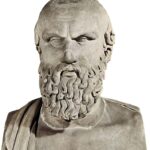
Aeschylus (525 Before Christ to 456 B.C.) was an ancient Greek author of Greek tragedy, and is often described as the father of tragedy. Academics’ knowledge of the genre begins with his work, and understanding of earlier Greek tragedy is largely based on inferences made from reading his surviving plays. According to Aristotle, he expanded the number of characters in the theatre and allowed conflict among them.