
A poem by Aeschylus (c. 525 – c. 456 Before Christ )
Up and lead the dance of Fate!
Lift the song that mortals hate!
Tell what rights are ours on earth,
Over all of human birth.
Swift of foot to avenge are we!
He whose hands are clean and pure,
Naught our wrath to dread hath he;
Calm his cloudless days endure.
But the man that seeks to hide
Like him (1), his gore-bedewèd hands,
Witnesses to them that died,
The blood avengers at his side,
The Furies’ troop forever stands.
O’er our victim come begin!
Come, the incantation sing,
Frantic all and maddening,
To the heart a brand of fire,
The Furies’ hymn,
That which claims the senses dim,
Tuneless to the gentle lyre,
Withering the soul within.
The pride of all of human birth,
All glorious in the eye of day,
Dishonored slowly melts away,
Trod down and trampled to the earth,
Whene’er our dark-stoled troop advances,
Whene’er our feet lead on the dismal dances.
For light our footsteps are,
And perfect is our might,
Awful remembrances of guilt and crime,
Implacable to mortal prayer,
Far from the gods, unhonored, and heaven’s light,
We hold our voiceless dwellings dread,
All unapproached by living or by dead.
What mortal feels not awe,
Nor trembles at our name,
Hearing our fate-appointed power sublime,
Fixed by the eternal law.
For old our office, and our fame,
Might never yet of its due honors fail,
Though ‘neath the earth our realm in unsunned regions pale.

A few random poems:
- Владимир Британишский – Переписка
- Immoral Laboratories
- A Woman Unconscious by Ted Hughes
- The Last Redoubt poem – Alfred Austin
- Вероника Тушнова – Зеркало
- Юргис Балтрушайтис – Светлая заутреня
- Robert Burns: On Chloris Being Ill:
- Владимир Костров – Мы на тяге ракетной берёзовых дров
- Ballade Of Dead Ladies poem – Andrew Lang poems
- Poor Devil! by Stephen Vincent Benet
- Robert Burns: To Daunton Me:
- Epigram on a Swearing Coxcomb by Robert Burns
- Alameda by Paul Blackburn
- A Song of the White Men by Rudyard Kipling
- Inscription For A Moss-House In The Shrubbery At Weston by William Cowper
External links
Bat’s Poetry Page – more poetry by Fledermaus
Talking Writing Monster’s Page –
Batty Writing – the bat’s idle chatter, thoughts, ideas and observations, all original, all fresh
Poems in English
- In Every Language by Rifat Ilgaz
- I’m Sexy and I Know It by Aiyah De Torres
- I Write a Poem by Aiyah De Torres
- Girl Child – An Alternate Reality by Rekha Seshadri
- Elusive Lover by Renu Ayyar
- Crows and Hawks by Richard Schiffman
- Clever Stalk by Richard Schiffman
- Buddies by Richard Schiffman
- Buddha at Kamakura by Rudyard Kipling
- Beyond Darkness And Despair by Renu Ayyar
- Before you go a little way prospecting by T. Wignesan
- Are You a Thinking Man? by Rifat Ilgaz
- A Lost Friend, I Never Had by Renu Ayyar
- A Goddess by Tanisha Avarsekar
- Vacation by Rita Dove
- Tonight she remembers by Rita Odessa Villaruel
- There Came a Soul by Rita Dove
- The Emotion Line by Rita Odessa Villaruel
- The Bistro Styx by Rita Dove
- The Secret Garden by Rita Dove
More external links (open in a new tab):
Doska or the Board – write anything
Search engines:
Yandex – the best search engine for searches in Russian (and the best overall image search engine, in any language, anywhere)
Qwant – the best search engine for searches in French, German as well as Romance and Germanic languages.
Ecosia – a search engine that supposedly… plants trees
Duckduckgo – the real alternative and a search engine that actually works. Without much censorship or partisan politics.
Yahoo– yes, it’s still around, amazingly, miraculously, incredibly, but now it seems to be powered by Bing.
Parallel Translations of Poetry
The Poetry Repository – an online library of poems, poetry, verse and poetic works
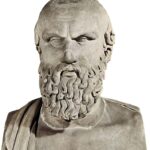
Aeschylus (525 Before Christ to 456 B.C.) was an ancient Greek author of Greek tragedy, and is often described as the father of tragedy. Academics’ knowledge of the genre begins with his work, and understanding of earlier Greek tragedy is largely based on inferences made from reading his surviving plays. According to Aristotle, he expanded the number of characters in the theatre and allowed conflict among them.