
A poem by Aeschylus (c. 525 – c. 456 Before Christ )
Up and lead the dance of Fate!
Lift the song that mortals hate!
Tell what rights are ours on earth,
Over all of human birth.
Swift of foot to avenge are we!
He whose hands are clean and pure,
Naught our wrath to dread hath he;
Calm his cloudless days endure.
But the man that seeks to hide
Like him (1), his gore-bedewèd hands,
Witnesses to them that died,
The blood avengers at his side,
The Furies’ troop forever stands.
O’er our victim come begin!
Come, the incantation sing,
Frantic all and maddening,
To the heart a brand of fire,
The Furies’ hymn,
That which claims the senses dim,
Tuneless to the gentle lyre,
Withering the soul within.
The pride of all of human birth,
All glorious in the eye of day,
Dishonored slowly melts away,
Trod down and trampled to the earth,
Whene’er our dark-stoled troop advances,
Whene’er our feet lead on the dismal dances.
For light our footsteps are,
And perfect is our might,
Awful remembrances of guilt and crime,
Implacable to mortal prayer,
Far from the gods, unhonored, and heaven’s light,
We hold our voiceless dwellings dread,
All unapproached by living or by dead.
What mortal feels not awe,
Nor trembles at our name,
Hearing our fate-appointed power sublime,
Fixed by the eternal law.
For old our office, and our fame,
Might never yet of its due honors fail,
Though ‘neath the earth our realm in unsunned regions pale.

A few random poems:
- All About You by Shel Silverstein
- The Human Seasons poem – John Keats poems
- Sonnet Iv
- Charm, The by Rupert Brooke
- Hummingbird by Nicole M Nugent
- Владимир Бенедиктов – Dahin
- I Belong There by Mahmoud Darwish
- The Shepherd, Looking Eastward, Softly Said by William Wordsworth
- Whitsun by Sylvia Plath
- The Stars Are Mansions Built By Nature’s Hand by William Wordsworth
- Владимир Маяковский – Два опиума
- Growltiger’s Last Stand by T. S. Eliot
- Primrose Rose by Rainbow Reed
- Epitaph on my Ever Honoured Father by Robert Burns
- Imitations of Horace: The First Epistle of the Second Book poem – Alexander Pope
External links
Bat’s Poetry Page – more poetry by Fledermaus
Talking Writing Monster’s Page –
Batty Writing – the bat’s idle chatter, thoughts, ideas and observations, all original, all fresh
Poems in English
- do you believe in always by Steve Troyanovich
- cascades of emptiness by Steve Troyanovich
- … and the moon was sleeping by Steve Troyanovich
- ambiguities of absence by Steve Troyanovich
- Who Would Of Knew…..About Your Concept!!! (July 10th) by Stevens Cadet
- The Future Promise Letter by Stevens Cadet
- Sometimes….Life’s A Beach by Stevens Cadet
- Passion Of My Heart by Stevens Cadet
- Nobody Told Me Of These Nights (A Poem For Melanie) by Stevens Cadet
- A Night With Passion! by Stevens Cadet
- Lyfe by Stevens Cadet
- Cupid’s Reign Of Terror (March 2012) by Stevens Cadet
- The Captain by Stevens Cadet
- Better Days by Stevens Cadet
- A Poem For Ashleigh (July) by Stevens Cadet
- A Pen Wrote The Funeral by Stevens Cadet
- A Morning Letter by Stevens Cadet
- The Pleasures Of Friendship by Stevie Smith
- The Jungle Husband by Stevie Smith
- Tenuous And Precarious by Stevie Smith
More external links (open in a new tab):
Doska or the Board – write anything
Search engines:
Yandex – the best search engine for searches in Russian (and the best overall image search engine, in any language, anywhere)
Qwant – the best search engine for searches in French, German as well as Romance and Germanic languages.
Ecosia – a search engine that supposedly… plants trees
Duckduckgo – the real alternative and a search engine that actually works. Without much censorship or partisan politics.
Yahoo– yes, it’s still around, amazingly, miraculously, incredibly, but now it seems to be powered by Bing.
Parallel Translations of Poetry
The Poetry Repository – an online library of poems, poetry, verse and poetic works
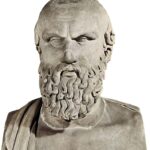
Aeschylus (525 Before Christ to 456 B.C.) was an ancient Greek author of Greek tragedy, and is often described as the father of tragedy. Academics’ knowledge of the genre begins with his work, and understanding of earlier Greek tragedy is largely based on inferences made from reading his surviving plays. According to Aristotle, he expanded the number of characters in the theatre and allowed conflict among them.