
A poem by Aeschylus (c. 525 – c. 456 Before Christ )
Hear ye my statute, men of Attica–
Ye who of bloodshed judge this primal cause;
Yea, and in future age shall Aegeus’s host
Revere this court of jurors. This the hill
Of Ares, seat of Amazons, their tent,
What time ‘gainst Theseus, breathing hate, they came,
Waging fierce battle, and their towers upreared,
A counter-fortress to Acropolis;–
To Ares they did sacrifice, and hence
This rock is titled Areopagus.
Here then shall sacred Awe, to Fear allied,
By day and night my lieges hold from wrong,
Save if themselves do innovate my laws,
If thou with mud, or influx base, bedim
The sparkling water, nought thou’lt find to drink.
Nor Anarchy, nor Tyrant’s lawless rule
Commend I to my people’s reverence;–
Nor let them banish from their city Fear;
For who ‘mong men, uncurbed by fear, is just?
Thus holding Awe in seemly reverence,
A bulwark for your State shall ye possess,
A safeguard to protect your city walls,
Such as no mortals otherwhere can boast,
Neither in Scythia, nor in Pelops’s realm.
Behold! This Court august, untouched by bribes,
Sharp to avenge, wakeful for those who sleep,
Establish I, a bulwark to this land.
This charge, extending to all future time,
I give my lieges. Meet it as ye rise,
Assume the pebbles, and decide the cause,
Your oath revering. All hath now been said.

A few random poems:
- Sic Vos Non Vobis
- I, or Someone Like Me by Marvin Bell
- Владимир Корнилов – Учитель
- On Journeys Through The States. by Walt Whitman
- The Wanderings of Oisin: Book I by William Butler Yeats
- Михаил Ломоносов – Надпись на иллюминацию 1747 года перед зимним домом
- Chanson D’Amour by Shaunna Harper
- The Looking-Glass. : on Mrs. Pulteney poem – Alexander Pope poems | Poetry Monster
- The Helmet by Philip Levine
- Аля Кудряшева – Меня мотает тянет ведет налево
- Михаил Лермонтов – Зови надежду сновиденьем
- Карл Сэндберг – Джаз-фантазия
- To Eva Descending The Stair by Sylvia Plath
- A Prayer under the Pressure of Violent Anguish by Robert Burns
- Владимир Британишский – Как из конного двора
External links
Bat’s Poetry Page – more poetry by Fledermaus
Talking Writing Monster’s Page –
Batty Writing – the bat’s idle chatter, thoughts, ideas and observations, all original, all fresh
Poems in English
- Tom The Lunatic by William Butler Yeats
- Tom O’Roughley by William Butler Yeats
- To The Rose Upon The Rood Of Time by William Butler Yeats
- To Dorothy Wellesley by William Butler Yeats
- To Be Carved On A Stone At Thoor Ballylee by William Butler Yeats
- To A Young Girl by William Butler Yeats
- To A Young Beauty by William Butler Yeats
- To A Poet, Who Would Have Me Praise Certain Bad Poets, Imitators Of His And Mine by William Butler Yeats
- To A Friend Whose Work Has Come To Nothing by William Butler Yeats
- The Marriage of Heaven and Hell by William Blake
- Poems by William Blake, Songs of Innocence and Experience and the Book of Thel
- Written In March by William Wordsworth
- To the City of London by William Dunbar
- To a Lady by William Dunbar
- The Sirens’ Song by William Browne
- The Rose by William Browne
- The Quarry by William Vaughn Moody
- The Daguerreotype by William Vaughn Moody
- The Blues by William Matthews
- Song by William Browne
More external links (open in a new tab):
Doska or the Board – write anything
Search engines:
Yandex – the best search engine for searches in Russian (and the best overall image search engine, in any language, anywhere)
Qwant – the best search engine for searches in French, German as well as Romance and Germanic languages.
Ecosia – a search engine that supposedly… plants trees
Duckduckgo – the real alternative and a search engine that actually works. Without much censorship or partisan politics.
Yahoo– yes, it’s still around, amazingly, miraculously, incredibly, but now it seems to be powered by Bing.
Parallel Translations of Poetry
The Poetry Repository – an online library of poems, poetry, verse and poetic works
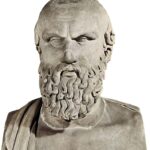
Aeschylus (525 Before Christ to 456 B.C.) was an ancient Greek author of Greek tragedy, and is often described as the father of tragedy. Academics’ knowledge of the genre begins with his work, and understanding of earlier Greek tragedy is largely based on inferences made from reading his surviving plays. According to Aristotle, he expanded the number of characters in the theatre and allowed conflict among them.