
A poem by Aeschylus (c. 525 – c. 456 Before Christ )
Hear ye my statute, men of Attica–
Ye who of bloodshed judge this primal cause;
Yea, and in future age shall Aegeus’s host
Revere this court of jurors. This the hill
Of Ares, seat of Amazons, their tent,
What time ‘gainst Theseus, breathing hate, they came,
Waging fierce battle, and their towers upreared,
A counter-fortress to Acropolis;–
To Ares they did sacrifice, and hence
This rock is titled Areopagus.
Here then shall sacred Awe, to Fear allied,
By day and night my lieges hold from wrong,
Save if themselves do innovate my laws,
If thou with mud, or influx base, bedim
The sparkling water, nought thou’lt find to drink.
Nor Anarchy, nor Tyrant’s lawless rule
Commend I to my people’s reverence;–
Nor let them banish from their city Fear;
For who ‘mong men, uncurbed by fear, is just?
Thus holding Awe in seemly reverence,
A bulwark for your State shall ye possess,
A safeguard to protect your city walls,
Such as no mortals otherwhere can boast,
Neither in Scythia, nor in Pelops’s realm.
Behold! This Court august, untouched by bribes,
Sharp to avenge, wakeful for those who sleep,
Establish I, a bulwark to this land.
This charge, extending to all future time,
I give my lieges. Meet it as ye rise,
Assume the pebbles, and decide the cause,
Your oath revering. All hath now been said.

A few random poems:
- Юргис Балтрушайтис – Ночной пилигрим
- The Voice of Robert Desnos by Robert Desnos
- These Are The Clouds by William Butler Yeats
- Evening in a Sugar Orchard by Robert Frost
- Alexander VI Dines with the Cardinal of Capua by Stephen Vincent Benet
- Thoughts by Ronald G. Auguste
- Address to the Deil by Robert Burns
- Dinner in a Quick Lunch Room by Stephen Vincent Benet
- Владимир Маяковский – Стой, товарищ! Стонет Поволжье, о помощи моля (Главполитпросвет №344)
- Forced by Mayank Sharma
- The Baptistry
- We Miss You So Much by Ronald G. Auguste
- Immigrants by Robert Frost
- Владимир Набоков – Поэт
- Владимир Высоцкий – Лукоморья больше нет
External links
Bat’s Poetry Page – more poetry by Fledermaus
Talking Writing Monster’s Page –
Batty Writing – the bat’s idle chatter, thoughts, ideas and observations, all original, all fresh
Poems in English
- Владимир Британишский – Карьеры лицеистов
- Владимир Британишский – Калмыцкое побережье Каспия
- Владимир Британишский – Как турмалин, что субстанцию сланца
- Владимир Британишский – Как из конного двора
- Владимир Британишский – Из рассказов отца
- Владимир Британишский – Иван Долгорукой
- Владимир Британишский – Итальянское путешествие
- Владимир Британишский – История, поколобродив тут
- Владимир Британишский – Историк и источник
- Владимир Британишский – Иона
- Владимир Британишский – Инициалы: Д.Я
- Владимир Британишский – И у нас однако ж был Лицей
- Владимир Британишский – Греч: Встреча с Батюшковым
- Владимир Британишский – Горы, горы – горизонты
- Владимир Британишский – Горный институт
- Владимир Британишский – Глухарь
- Владимир Британишский – Гердер в Риге
- Владимир Британишский – Геометрия
- Владимир Британишский – Философы! Не верьте островам
- Владимир Британишский – Фет в кирасирском полку
More external links (open in a new tab):
Doska or the Board – write anything
Search engines:
Yandex – the best search engine for searches in Russian (and the best overall image search engine, in any language, anywhere)
Qwant – the best search engine for searches in French, German as well as Romance and Germanic languages.
Ecosia – a search engine that supposedly… plants trees
Duckduckgo – the real alternative and a search engine that actually works. Without much censorship or partisan politics.
Yahoo– yes, it’s still around, amazingly, miraculously, incredibly, but now it seems to be powered by Bing.
Parallel Translations of Poetry
The Poetry Repository – an online library of poems, poetry, verse and poetic works
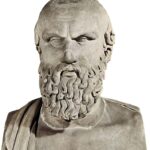
Aeschylus (525 Before Christ to 456 B.C.) was an ancient Greek author of Greek tragedy, and is often described as the father of tragedy. Academics’ knowledge of the genre begins with his work, and understanding of earlier Greek tragedy is largely based on inferences made from reading his surviving plays. According to Aristotle, he expanded the number of characters in the theatre and allowed conflict among them.