
A poem by Aeschylus (c. 525 – c. 456 Before Christ )
NURSE
Our mistress bids me with all speed to call
Aegisthus to the strangers, that he come
And hear more clearly, as a man from man,
This newly brought report. Before her slaves,
Under set eyes of melancholy cast,
She hid her inner chuckle at the events
That have been brought to pass–too well for her,
But for this house and hearth most miserably,–
As in the tale the strangers clearly told.
He, when he hears and learns the story’s gist,
Will joy, I trow, in heart. Ah, wretched me!
How those old troubles, of all sorts made up,
Most hard to bear, in Atreus’s palace-halls
Have made my heart full heavy in my breast!
But never have I known a woe like this.
For other ills I bore full patiently,
But as for dear Orestes, my sweet charge,
Whom from his mother I received and nursed . . .
And then the shrill cries rousing me o’ nights,
And many and unprofitable toils
For me who bore them. For one needs must rear
The heedless infant like an animal,
(How can it else be?) as his humor serve
For while a child is yet in swaddling clothes,
It speaketh not, if either hunger comes,
Or passing thirst, or lower calls of need;
And children’s stomach works its own content.
And I, though I foresaw this, call to mind,
How I was cheated, washing swaddling clothes,
And nurse and laundress did the selfsame work.
I then with these my double handicrafts,
Brought up Orestes for his father dear;
And now, woe’s me! I learn that he is dead,
And go to fetch the man that mars this house;
And gladly will he hear these words of mine.

A few random poems:
- Atalanta’s Race by William Morris
- Dark spring by Yvor Winters
- Жан де Лафонтен – Человек и его Изображение
- English Poetry. William Barnes. Third Collection. The Broken Heart. Уильям Барнс.
- Sonnet On Sitting Down To Read King Lear Once Again poem – John Keats poems
- An Argument by Thomas Moore
- 11 Amazing Autistic Famous People
- Юнна Мориц – Комарово
- Николай Гумилев – О, если я весь мир постиг
- IN VINCULUM by PEGGY AYLSWORTH
- Two Travellers in the Place Vendome poem – Amy Lowell poems | Poems and Poetry
- The Labour by Mousumi Guha Roy
- Lyonnesse by Sylvia Plath
- On A Good Man (From The Greek) by William Cowper
- Наум Коржавин – Иван Калита
External links
Bat’s Poetry Page – more poetry by Fledermaus
Talking Writing Monster’s Page –
Batty Writing – the bat’s idle chatter, thoughts, ideas and observations, all original, all fresh
Poems in English
- A little ink more or less! by Stephen Crane
- A god in wrath by Stephen Crane
- Do not weep, maiden, for war is kind by Stephen Crane
- Charity thou art a lie, by Stephen Crane
- Blustering God by Stephen Crane
- Black riders came from the sea. by Stephen Crane
- Behold, the grave of a wicked man by Stephen Crane
- Behold, from the land of the farther suns by Stephen Crane
- Ay, workman, make me a dream, by Stephen Crane
- And you love me by Stephen Crane
- A youth in apparel that glittered by Stephen Crane
- A spirit sped by Stephen Crane
- A slant of sun on dull brown walls, by Stephen Crane
- A newspaper is a collection of half-injustices by Stephen Crane
- With No Experience In Such Matters by Stephen Dunn
- Welcome by Stephen Dunn
- Walking The Marshland by Stephen Dunn
- The Sudden Light And The Trees by Stephen Dunn
- The Routine Things Around The House by Stephen Dunn
- Story by Stephen Dunn
More external links (open in a new tab):
Doska or the Board – write anything
Search engines:
Yandex – the best search engine for searches in Russian (and the best overall image search engine, in any language, anywhere)
Qwant – the best search engine for searches in French, German as well as Romance and Germanic languages.
Ecosia – a search engine that supposedly… plants trees
Duckduckgo – the real alternative and a search engine that actually works. Without much censorship or partisan politics.
Yahoo– yes, it’s still around, amazingly, miraculously, incredibly, but now it seems to be powered by Bing.
Parallel Translations of Poetry
The Poetry Repository – an online library of poems, poetry, verse and poetic works
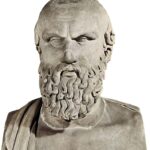
Aeschylus (525 Before Christ to 456 B.C.) was an ancient Greek author of Greek tragedy, and is often described as the father of tragedy. Academics’ knowledge of the genre begins with his work, and understanding of earlier Greek tragedy is largely based on inferences made from reading his surviving plays. According to Aristotle, he expanded the number of characters in the theatre and allowed conflict among them.