
A poem by Alcaeus of Mytilene (c. 625/620 – c. 580 BC)
What constitutes a State?
Not high-raised battlement, or labored mound,
Thick wall or moated gate;
Not cities fair, with spires and turrets crown’d;
No:–Men, high-minded men,
With powers as far above dull brutes endued
In forest, brake or den,
As beasts excel cold rocks and brambles rude:–
Men who their duties know,
But know their rights, and knowing, dare maintain;
Prevent the long-aimed blow,
And crush the tyrant, while they rend the chain.

A few random poems:
- Олег Бундур – Родня
- Siege Of Vienna Raised By Jihn Sobieski by William Wordsworth
- The Jewel Stairs’ Grievance poem – Ezra Pound poems
- flight_of_stairs.html
- Lamentations by Siegfried Sassoon
- Sonnet 18: Shall I compare thee to a summer’s day? by William Shakespeare
- The Poet Pleads With The Elemental Powers by William Butler Yeats
- Evening in a Sugar Orchard by Robert Frost
- Untitled #12 by Nijole Miliauskaite
- Robert Burns: The Poet’s Progress : A Poem In Embryo
- To Autumn poem – John Keats poems
- Robert Burns: Extempore On Some Commemorations Of Thomson:
- Distributive Trade II – The Wholesaler
- Вера Павлова – По счету
- Covering Two Years by Weldon Kees
External links
Bat’s Poetry Page – more poetry by Fledermaus
Talking Writing Monster’s Page –
Batty Writing – the bat’s idle chatter, thoughts, ideas and observations, all original, all fresh
Poems in English
- Sonnet 48: How careful was I, when I took my way by William Shakespeare
- Sonnet 47: Betwixt mine eye and heart a league is took by William Shakespeare
- Sonnet 46: Mine eye and heart are at a mortal war by William Shakespeare
- Sonnet 45: The other two, slight air and purging fire by William Shakespeare
- Sonnet 44: If the dull substance of my flesh were thought by William Shakespeare
- Sonnet 43: When most I wink, then do mine eyes best see by William Shakespeare
- Sonnet 42: That thou hast her, it is not all my grief by William Shakespeare
- Sonnet 41: Those pretty wrongs that liberty commits by William Shakespeare
- Sonnet 40: Take all my loves, my love, yea, take them all by William Shakespeare
- Sonnet 3: Look in thy glass, and tell the face thou viewest by William Shakespeare
- Sonnet 39: O, how thy worth with manners may I sing by William Shakespeare
- Sonnet 38: How can my Muse want subject to invent by William Shakespeare
- Sonnet 37: As a decrepit father takes delight by William Shakespeare
- Sonnet 36: Let me confess that we two must be twain by William Shakespeare
- Sonnet 35: No more be grieved at that which thou hast done by William Shakespeare
- Sonnet 34: Why didst thou promise such a beauteous day by William Shakespeare
- Sonnet 33: Full many a glorious morning have I seen by William Shakespeare
- Sonnet 74: But be contented when that fell arrest by William Shakespeare
- Sonnet 73: That time of year thou mayst in me behold by William Shakespeare
- Sonnet 72: O, lest the world should task you to recite by William Shakespeare
More external links (open in a new tab):
Doska or the Board – write anything
Search engines:
Yandex – the best search engine for searches in Russian (and the best overall image search engine, in any language, anywhere)
Qwant – the best search engine for searches in French, German as well as Romance and Germanic languages.
Ecosia – a search engine that supposedly… plants trees
Duckduckgo – the real alternative and a search engine that actually works. Without much censorship or partisan politics.
Yahoo– yes, it’s still around, amazingly, miraculously, incredibly, but now it seems to be powered by Bing.
Parallel Translations of Poetry
The Poetry Repository – an online library of poems, poetry, verse and poetic works
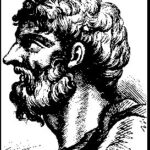
Alcaeus of Mytilene ( c. 625/620 – c. 580 Before Christ) ] was a lyric poet from the Greek island of Lesbos who is credited with inventing the Alcaic stanza. He was included in the canonical list of nine lyric poets by the scholars of Hellenistic Alexandria.