
A poem by Aeschylus (c. 525 – c. 456 Before Christ )
CASSANDRA
Phoebus Apollo!
CHORUS
Hark!
The lips at last unlocking.
CASSANDRA
Phoebus! Phoebus!
CHORUS
Well, what of Phoebus, maiden? though a name
‘Tis but disparagement to call upon
In misery.
CASSANDRA
Apollo! Apollo! Again!
Oh, the burning arrow through the brain!
Phoebus Apollo! Apollo!
CHORUS
Seemingly
Possessed indeed–whether by–
CASSANDRA
Phoebus! Phoebus!
Through trampled ashes, blood, and fiery rain,
Over water seething, and behind the breathing
War-horse in the darkness–till you rose again,
Took the helm–took the rein–
CHORUS
As one that half asleep at dawn recalls
A night of Horror!
CASSANDRA
Hither, whither, Phoebus? And with whom,
Leading me, lighting me–
CHORUS
I can answer that–
CASSANDRA
Down to what slaughter-house!
Foh! the smell of carnage through the door
Scares me from it–drags me toward it–
Phoebus Apollo! Apollo!
CHORUS
One of the dismal prophet-pack, it seems,
That hunt the trail of blood. But here at fault–
This is no den of slaughter, but the house
Of Agamemnon.
CASSANDRA
Down upon the towers,
Phantoms of two mangled children hover–and a famished man,
At an empty table glaring, seizes and devours!
CHORUS
Thyestes and his children! Strange enough
For any maiden from abroad to know,
Or, knowing–
CASSANDRA
And look! in the chamber below
The terrible Woman, listening, watching,
Under a mask, preparing the blow
In the fold of her robe–
CHORUS
Nay, but again at fault:
For in the tragic story of this House–
Unless, indeed the fatal Helen–No
woman–
CASSANDRA
No Woman–Tisiphone! Daughter
Of Tartarus–love-grinning Woman above,
Dragon-tailed under–honey-tongued, Harpy-clawed,
Into the glittering meshes of slaughter
She wheedles, entices him into the poisonous
Fold of the serpent–
CHORUS
Peace, mad woman, peace!
Whose stony lips once open vomit out
Such uncouth horrors.
CASSANDRA
I tell you the lioness
Slaughters the Lion asleep; and lifting
Her blood-dripping fangs buried deep in his mane,
Glaring about her insatiable, bellowing,
Bounds hither–Phoebus Apollo, Apollo, Apollo!
Whither have you led me, under night alive with fire,
Through the trampled ashes of the city of my sire,
From my slaughtered kinsmen, fallen throne, insulted shrine,
Slave-like to be butchered, the daughter of a royal line!

A few random poems:
- Delicate Cluster. by Walt Whitman
- Альфред де Мюссе – Все мною предано забвенью
- Владимир Высоцкий – Зарисовка о Ленинграде
- The Empty Boats by Vachel Lindsay
- Edmonton, thy cemetery by Stevie Smith
- On Count Voronstov poem – Alexander Pushkin
- Владимир Маяковский – В Советской России не может быть никакого царя… (Главполитпросвет №361)
- Balloons by Sylvia Plath
- Николай Карамзин – Impromptu графине Р, которой в одной святошной игре досталось быть королевою
- Владимир Корнилов – Двое
- A Forgetful Number by Vasko Popa
- A Form Of Women by Robert Creely
- Prairie States, The. by Walt Whitman
- Ольга Ермолаева – Мир неприбран, подозрителен
- Dedication To Leigh Hunt, Esq. poem – John Keats poems
External links
Bat’s Poetry Page – more poetry by Fledermaus
Talking Writing Monster’s Page –
Batty Writing – the bat’s idle chatter, thoughts, ideas and observations, all original, all fresh
Poems in English
- The Jungle Flower
- The Hut
- The Hospital On The Shore
- The Garden Of Kama Kama The Indian Eros
- The Garden By The Bridge
- The First Wife
- The First Lover
- The Dying Prince
- The Convert
- The Cactus
- The Cactus Thicket
- The Bride
- The Aloe
- Syed Amir
- Surface Rights
- Surf Song
- Sunstroke
- Story Of Udaipore Told By Lalla Ji The Priest
- Story Of Lilavanti
- Story By Lalla Ji The Priest
More external links (open in a new tab):
Doska or the Board – write anything
Search engines:
Yandex – the best search engine for searches in Russian (and the best overall image search engine, in any language, anywhere)
Qwant – the best search engine for searches in French, German as well as Romance and Germanic languages.
Ecosia – a search engine that supposedly… plants trees
Duckduckgo – the real alternative and a search engine that actually works. Without much censorship or partisan politics.
Yahoo– yes, it’s still around, amazingly, miraculously, incredibly, but now it seems to be powered by Bing.
Parallel Translations of Poetry
The Poetry Repository – an online library of poems, poetry, verse and poetic works
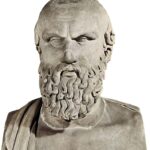
Aeschylus (525 Before Christ to 456 B.C.) was an ancient Greek author of Greek tragedy, and is often described as the father of tragedy. Academics’ knowledge of the genre begins with his work, and understanding of earlier Greek tragedy is largely based on inferences made from reading his surviving plays. According to Aristotle, he expanded the number of characters in the theatre and allowed conflict among them.