
A poem by Aeschylus (c. 525 – c. 456 Before Christ )
Now do our eyes behold
The tidings which were told:
Twin fallen kings, twin perished hopes to mourn,
The slayer, the slain,
The entangled doom forlorn
And ruinous end of twain.
Say, is not sorrow, is not sorrow’s sum
On home and hearthstone come?
Oh, waft with sighs the sail from shore,
Oh, smite the bosom, cadencing the oar
That rows beyond the rueful stream for aye
To the far strand,
The ship of souls, the dark,
The unreturning bark
Whereon light never falls nor foot of Day,
Even to the bourne of all, to the unbeholden land.

A few random poems:
- Sonnet CXVIII by William Shakespeare
- Владимир Солоухин – Волки
- Sonnet 45: The other two, slight air and purging fire by William Shakespeare
- The Furl of Fresh-Leaved Dogrose Down poem – Gerard Manley Hopkins poems
- Алексей Хомяков – Просьба
- Нина Воронель – Запахи детства еще не забыты
- The Sea And the Hills by Rudyard Kipling
- Mad Day In March by Philip Levine
- Robert Burns: The Toadeater:
- Владимир Маяковский – Рабочий при капитализме работал из-под палки… (РОСТА №666)
- Eco en la madrugada by Mara Romero Torres
- Blue flower by Tanisha Avarsekar
- Private Property poem – Aldous Huxley poems | Poetry Monster
- Robert Burns: The Humble Petition Of Bruar Water: To the noble Duke of Athole.
- Robert Burns: Pegasus At Wanlockhead:
External links
Bat’s Poetry Page – more poetry by Fledermaus
Talking Writing Monster’s Page –
Batty Writing – the bat’s idle chatter, thoughts, ideas and observations, all original, all fresh
Poems in English
- English Poetry. William Barnes. Third Collection. The Broken Heart. Уильям Барнс.
- English Poetry. Madison Julius Cawein. He Who Loves. Мэдисон Джулиус Кавейн.
- English Poetry. Thomas Moore. From “The Odes of Anacreon”. Ode 56. Томас Мур.
- English Poetry. Thomas Moore. From “The Odes of Anacreon”. Ode 66. Томас Мур.
- English Poetry. Thomas Moore. From “Irish Melodies”. 103. The Mountain Spite. Томас Мур.
- English Poetry. Thomas Moore. From “Irish Melodies”. 99. ’Twas One of Those Dreams. Томас Мур.
- English Poetry. Thomas Moore. From “Irish Melodies”. 91. Oh, Ye Dead!. Томас Мур.
- English Poetry. Thomas Moore. From “Irish Melodies”. 85. Oh For the Swords of Former Time. Томас Мур.
- English Poetry. Thomas Moore. From “Irish Melodies”. 58. Farewell! – But Whenever You Welcome the Hour. Томас Мур.
- English Poetry. Thomas Moore. From “Irish Melodies”. 44. She Is Far From the Land. Томас Мур.
- English Poetry. Thomas Moore. From “Irish Melodies”. 26. Erin, Oh Erin. Томас Мур.
- English Poetry. Mark Akenside. The Pleasures of Imagination. Марк Эйкенсайд.
- English Poetry. Thomas Moore. From “Irish Melodies”. 22. Let Erin Remember the Days of Old. Томас Мур.
- English Poetry. Richard Hovey. The Old Pine. Ричард Хави.
- English Poetry. Richard Hovey. John Keats. Ричард Хави.
- English Poetry. Madison Julius Cawein. Haunted. Мэдисон Джулиус Кавейн.
- English Poetry. Madison Julius Cawein. Going for the Cows. Мэдисон Джулиус Кавейн.
- English Poetry. Madison Julius Cawein. Garden and Gardener. Мэдисон Джулиус Кавейн.
- English Poetry. Madison Julius Cawein. Forevermore. Мэдисон Джулиус Кавейн.
- English Poetry. Madison Julius Cawein. Finale. Мэдисон Джулиус Кавейн.
More external links (open in a new tab):
Doska or the Board – write anything
Search engines:
Yandex – the best search engine for searches in Russian (and the best overall image search engine, in any language, anywhere)
Qwant – the best search engine for searches in French, German as well as Romance and Germanic languages.
Ecosia – a search engine that supposedly… plants trees
Duckduckgo – the real alternative and a search engine that actually works. Without much censorship or partisan politics.
Yahoo– yes, it’s still around, amazingly, miraculously, incredibly, but now it seems to be powered by Bing.
Parallel Translations of Poetry
The Poetry Repository – an online library of poems, poetry, verse and poetic works
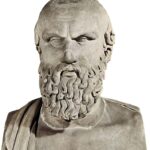
Aeschylus (525 Before Christ to 456 B.C.) was an ancient Greek author of Greek tragedy, and is often described as the father of tragedy. Academics’ knowledge of the genre begins with his work, and understanding of earlier Greek tragedy is largely based on inferences made from reading his surviving plays. According to Aristotle, he expanded the number of characters in the theatre and allowed conflict among them.