
A poem by Aeschylus (c. 525 – c. 456 Before Christ )
Earth is rocking in space!
And the thunders crash up with a roar upon roar,
And the eddying lightnings flash fire in my face,
And the whirlwinds are whirling the dust round and round-
And the blasts of the winds universal leap free
And blow each other upon each, with a passion of sound,
And æther goes mingling in storm with the sea!
Such a curse on my head, in a manifest dread,
From the hand of your Zeus has been hurtled along!
O my mother’s fair glory! O Æther, enringing
All eyes with the sweet common light of thy bringing,
Dost see how I suffer this wrong?

A few random poems:
- Feast of the Eyes
- Геннадий Айги – Дом в поле
- Ярослав Смеляков – Вот опять ты мне вспомнилась, мама
- Robert Burns: Address To The Unco Guid, Or The Rigidly Righteous:
- The Higher Pantheism poem – Lord Alfred Tennyson poems
- Юрий Левитанский – Белый снег
- Ballade Of Cleopatra’s Needle poem – Andrew Lang poems
- The Vain Question
- A Goddess by Tanisha Avarsekar
- Ольга Ермолаева – Ты где летал, мой падающий с Фанских гор
- Вера Звягинцева – На смерть Есенина
- I the People poem – Alice Notley
- Владимир Маяковский – Рабочей России Красной рыцарь…
- Monument by Satish Verma
- Dedication by Stephen Vincent Benet
External links
Bat’s Poetry Page – more poetry by Fledermaus
Talking Writing Monster’s Page –
Batty Writing – the bat’s idle chatter, thoughts, ideas and observations, all original, all fresh
Poems in English
- English Poetry. Thomas Moore. From “The Odes of Anacreon”. Ode 56. Томас Мур.
- English Poetry. Thomas Moore. From “The Odes of Anacreon”. Ode 66. Томас Мур.
- English Poetry. Thomas Moore. From “Irish Melodies”. 103. The Mountain Spite. Томас Мур.
- English Poetry. Thomas Moore. From “Irish Melodies”. 99. ’Twas One of Those Dreams. Томас Мур.
- English Poetry. Thomas Moore. From “Irish Melodies”. 91. Oh, Ye Dead!. Томас Мур.
- English Poetry. Thomas Moore. From “Irish Melodies”. 85. Oh For the Swords of Former Time. Томас Мур.
- English Poetry. Thomas Moore. From “Irish Melodies”. 58. Farewell! – But Whenever You Welcome the Hour. Томас Мур.
- English Poetry. Thomas Moore. From “Irish Melodies”. 44. She Is Far From the Land. Томас Мур.
- English Poetry. Thomas Moore. From “Irish Melodies”. 26. Erin, Oh Erin. Томас Мур.
- English Poetry. Mark Akenside. The Pleasures of Imagination. Марк Эйкенсайд.
- English Poetry. Thomas Moore. From “Irish Melodies”. 22. Let Erin Remember the Days of Old. Томас Мур.
- English Poetry. Richard Hovey. The Old Pine. Ричард Хави.
- English Poetry. Richard Hovey. John Keats. Ричард Хави.
- English Poetry. Madison Julius Cawein. Haunted. Мэдисон Джулиус Кавейн.
- English Poetry. Madison Julius Cawein. Going for the Cows. Мэдисон Джулиус Кавейн.
- English Poetry. Madison Julius Cawein. Garden and Gardener. Мэдисон Джулиус Кавейн.
- English Poetry. Madison Julius Cawein. Forevermore. Мэдисон Джулиус Кавейн.
- English Poetry. Madison Julius Cawein. Finale. Мэдисон Джулиус Кавейн.
- English Poetry. Madison Julius Cawein. Evasion. Мэдисон Джулиус Кавейн.
- Copywriting Agency Foundation For Prosperous Business
More external links (open in a new tab):
Doska or the Board – write anything
Search engines:
Yandex – the best search engine for searches in Russian (and the best overall image search engine, in any language, anywhere)
Qwant – the best search engine for searches in French, German as well as Romance and Germanic languages.
Ecosia – a search engine that supposedly… plants trees
Duckduckgo – the real alternative and a search engine that actually works. Without much censorship or partisan politics.
Yahoo– yes, it’s still around, amazingly, miraculously, incredibly, but now it seems to be powered by Bing.
Parallel Translations of Poetry
The Poetry Repository – an online library of poems, poetry, verse and poetic works
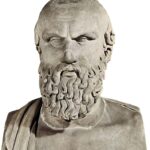
Aeschylus (525 Before Christ to 456 B.C.) was an ancient Greek author of Greek tragedy, and is often described as the father of tragedy. Academics’ knowledge of the genre begins with his work, and understanding of earlier Greek tragedy is largely based on inferences made from reading his surviving plays. According to Aristotle, he expanded the number of characters in the theatre and allowed conflict among them.