
A poem by Alexander Pope (1688-1744) , the greatest English poet of “Augustan” or Georgian period
I.
How happy he, who free from care
The rage of courts, and noise of towns;
Contented breaths his native air,
In his own grounds.
II.
Whose herds with milk, whose fields with bread,
Whose flocks supply him with attire,
Whose trees in summer yield him shade,
In winter fire.
III.
Blest! who can unconcern’dly find
Hours, days, and years slide swift away,
In health of body, peace of mind,
Quiet by day,
IV.
Sound sleep by night; study and ease
Together mix’d; sweet recreation,
And innocence, which most does please,
With meditation.
V.
Thus let me live, unheard, unknown;
Thus unlamented let me dye;
Steal from the world, and not a stone
Tell where I lye.

A few random poems:
- Sonnet CV by William Shakespeare
- This Morning by Raymond Carver
- Кондратий Рылеев – К N. N. (Когда душа изнемогала)
- Омар Хайям о Боге и религии: Рубаи, стихи Хайяма про Бога – Poetry Monster
- Владимир Маяковский – Новогодние поздравления (РОСТА №704)
- Низами Гянджеви – Я бросил молодость в пожар моей любви
- Robert Burns: I Gaed A Waefu’ Gate Yestreen:
- Владимир Гандельсман – Воскрешение матери
- A Japanese Wood-Carving poem – Amy Lowell poems | Poems and Poetry
- Федор Сологуб – Высока луна Господня
- Вера Павлова – Нежность больше не делится
- The Cup of Life by Mike Yuan
- In the Carpenter’s Shop by Sara Teasdale
- Владимир Маяковский – Чехарда в палате… (РОСТА №881)
- In Memoriam A. H. H.: 55. The wish, that of the living whol poem – Lord Alfred Tennyson poems
External links
Bat’s Poetry Page – more poetry by Fledermaus
Talking Writing Monster’s Page –
Batty Writing – the bat’s idle chatter, thoughts, ideas and observations, all original, all fresh
Poems in English
- Spenserian Stanzas On Charles Armitage Brown poem – John Keats poems
- Spenserian Stanza. Written At The Close Of Canto II, Book V, Of “The Faerie Queene” poem – John Keats poems
- Specimen Of An Induction To A Poem poem – John Keats poems
- Sonnet XVII. Happy Is England poem – John Keats poems
- Sonnet XVI. To Kosciusko poem – John Keats poems
- Sonnet XV. On The Grasshopper And Cricket poem – John Keats poems
- Sonnet XIV. Addressed To The Same (Haydon) poem – John Keats poems
- Sonnet X. To One Who Has Been Long In City Pent poem – John Keats poems
- Sonnet XIII. Addressed To Haydon poem – John Keats poems
- Sonnet XII. On Leaving Some Friends At An Early Hour poem – John Keats poems
- Sonnet XI. On First Looking Into Chapman’s Homer poem – John Keats poems
- Sonnet. Written Upon The Top Of Ben Nevis poem – John Keats poems
- Sonnet. Written On A Blank Space At The End Of Chaucer’s Tale Of ‘The Floure And The Lefe’ poem – John Keats poems
- Sonnet. Written On A Blank Page In Shakespeare’s Poems, Facing ‘A Lover’s Complaint’ poem – John Keats poems
- Sonnet. Written In Disgust Of Vulgar Superstition poem – John Keats poems
- Sonnet. Written In Answer To A Sonnet By J. H. Reynolds poem – John Keats poems
- Sonnet. Written Before Re-Read King Lear poem – John Keats poems
- Sonnet. Why Did I Laugh Tonight? poem – John Keats poems
- Sonnet: When I Have Fears That I May Cease To Be poem – John Keats poems
- Sonnet VIII. To My Brothers poem – John Keats poems
More external links (open in a new tab):
Doska or the Board – write anything
Search engines:
Yandex – the best search engine for searches in Russian (and the best overall image search engine, in any language, anywhere)
Qwant – the best search engine for searches in French, German as well as Romance and Germanic languages.
Ecosia – a search engine that supposedly… plants trees
Duckduckgo – the real alternative and a search engine that actually works. Without much censorship or partisan politics.
Yahoo– yes, it’s still around, amazingly, miraculously, incredibly, but now it seems to be powered by Bing.
Parallel Translations of Poetry
The Poetry Repository – an online library of poems, poetry, verse and poetic works
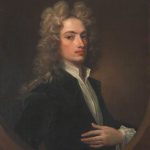
Alexander Pope (1688 – 1744) was a a post-Restoration English poet and satirist. He is a poet of the (British) Augustan period and one of its greatest artistic exponents.