
A poem by Aeschylus (c. 525 – c. 456 Before Christ )
Up and lead the dance of Fate!
Lift the song that mortals hate!
Tell what rights are ours on earth,
Over all of human birth.
Swift of foot to avenge are we!
He whose hands are clean and pure,
Naught our wrath to dread hath he;
Calm his cloudless days endure.
But the man that seeks to hide
Like him (1), his gore-bedewèd hands,
Witnesses to them that died,
The blood avengers at his side,
The Furies’ troop forever stands.
O’er our victim come begin!
Come, the incantation sing,
Frantic all and maddening,
To the heart a brand of fire,
The Furies’ hymn,
That which claims the senses dim,
Tuneless to the gentle lyre,
Withering the soul within.
The pride of all of human birth,
All glorious in the eye of day,
Dishonored slowly melts away,
Trod down and trampled to the earth,
Whene’er our dark-stoled troop advances,
Whene’er our feet lead on the dismal dances.
For light our footsteps are,
And perfect is our might,
Awful remembrances of guilt and crime,
Implacable to mortal prayer,
Far from the gods, unhonored, and heaven’s light,
We hold our voiceless dwellings dread,
All unapproached by living or by dead.
What mortal feels not awe,
Nor trembles at our name,
Hearing our fate-appointed power sublime,
Fixed by the eternal law.
For old our office, and our fame,
Might never yet of its due honors fail,
Though ‘neath the earth our realm in unsunned regions pale.

A few random poems:
- Владимир Гиппиус – Узел
- Elegy on Captain Matthew Henderson by Robert Burns
- Омар Хайям – Если счастлив от счастья
- The Galley-Slave by Rudyard Kipling
- rice_pudding.html
- Aftermath by Siegfried Sassoon
- Dedication For A Plot Of Ground by William Carlos Williams
- Rhyme by Sylvia Plath
- Cupid’s Reign Of Terror (March 2012) by Stevens Cadet
- Race by Vasko Popa
- Written in March by William Wordsworth
- София Парнок – И голос окликнул тебя среди ночи
- Extinguish Thou My Eyes by Rainer Maria Rilke
- Иннокентий Анненский – Леконт де Лиль. Из стихотворения «Призраки»
- Solitudes by Satish Verma
External links
Bat’s Poetry Page – more poetry by Fledermaus
Talking Writing Monster’s Page –
Batty Writing – the bat’s idle chatter, thoughts, ideas and observations, all original, all fresh
Poems in English
- Владимир Маяковский – Песня-молния
- Владимир Маяковский – Первый вывоз
- Владимир Маяковский – Первый из пяти
- Владимир Маяковский – Первомайское поздравление
- Владимир Маяковский – Переворот в Германии (Роста №42)
- Владимир Маяковский – Перекопский энтузиазм
- Владимир Маяковский – Пахали сохой — запашем трактором (Главполитпросвет №42)
- Владимир Маяковский – Октябрьский марш
- Владимир Маяковский – Октябрьские частушки
- Владимир Маяковский – Октябрь 1917–1926
- Владимир Маяковский – Офицер! Смотри на эту саблю (РОСТА)
- Владимир Маяковский – Ода революции
- Владимир Маяковский – Общее руководство для начинающих подхалим
- Владимир Маяковский – Обряды кому и на кой ляд целовальный обряд
- Облако в штанах – Владимир Маяковский: читать поэму онлайн, текст стихотворения полностью – Стихи Poetry Monster
- Владимир Маяковский – О том, как у Керзона с обедом разрасталась аппетитов зона
- Владимир Маяковский – О том, как некие сектантцы зовут рабочего на танцы
- Владимир Маяковский – О патриархе Тихоне
- Владимир Маяковский – О дряни
- Владимир Маяковский – О чем в наступающем думаем году мы
More external links (open in a new tab):
Doska or the Board – write anything
Search engines:
Yandex – the best search engine for searches in Russian (and the best overall image search engine, in any language, anywhere)
Qwant – the best search engine for searches in French, German as well as Romance and Germanic languages.
Ecosia – a search engine that supposedly… plants trees
Duckduckgo – the real alternative and a search engine that actually works. Without much censorship or partisan politics.
Yahoo– yes, it’s still around, amazingly, miraculously, incredibly, but now it seems to be powered by Bing.
Parallel Translations of Poetry
The Poetry Repository – an online library of poems, poetry, verse and poetic works
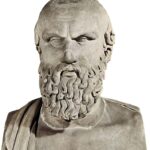
Aeschylus (525 Before Christ to 456 B.C.) was an ancient Greek author of Greek tragedy, and is often described as the father of tragedy. Academics’ knowledge of the genre begins with his work, and understanding of earlier Greek tragedy is largely based on inferences made from reading his surviving plays. According to Aristotle, he expanded the number of characters in the theatre and allowed conflict among them.