
A poem by Aeschylus (c. 525 – c. 456 Before Christ )
Now long and long from wintry Strymon blew
The weary, hungry, anchor-straining blasts,
The winds that wandering seamen dearly rue,
Nor spared the cables worn and groaning masts;
And, lingering on, in indolent delay,
Slow wasted all the strength of Greece away.
But when the shrill-voiced prophet ‘gan proclaim
That remedy more dismal and more dread
Than the drear weather blackening overhead,
And spoke in Artemis’ most awful name,
The sons of Atreus, ‘mid their armed peers,
Their sceptres dashed to earth, and each broke out in tears,
And thus the elder king began to say:
“Dire doom! to disobey the gods’ commands!
More dire, my child, mine house’s pride, to slay,
Dabbling in virgin blood a father’s hands.
Alas! alas! which way to fly?
As base deserter quit the host,
The pride and strength of our great league all lost?
Should I the storm-appeasing rite deny,
Will not their wrathfullest wrath rage up and swell?
Exact the virgin’s blood?-oh, would ‘t were o’er and well!”
So, ‘neath Necessity’s stern yoke he passed,
And his lost soul, with impious impulse veering,
Surrendered to the accursed unholy blast,
Warped to the dire extreme of human daring.
The frenzy of affliction still
Maddens, dire counselor, man’s soul to ill.
So he endured to be the priest
In that child-slaughtering rite unblest,
The first full offering of that host
In fatal war for a bad woman lost.
The prayers, the mute appeal to her hard sire,
Her youth, her virgin beauty,
Naught heeded they, the chiefs for war on fire.
So to the ministers of that dire duty
(First having prayed) the father gave the sign,
Like some soft kid, to lift her to the shrine.
There lay she prone,
Her graceful garments round her thrown;
But first her beauteous mouth around
Their violent bonds they wound,
With their rude inarticulate might,
Lest her dread curse the fatal house should smite.
But she her saffron robe to earth let fall:
The shaft of pity from her eye
Transpierced that awful priesthood-one and all.
Lovely as in a picture stood she by
As she would speak. Thus at her father’s feasts
The virgin, ‘mid the reveling guests,
Was wont with her chaste voice to supplicate
For her dear father an auspicious fate.
I saw no more! to speak more is not mine;
Not unfulfilled was Calchas’ lore divine.
Eternal justice still will bring
Wisdom out of suffering.
So to the fond desire farewell,
The inevitable future to foretell;
‘Tis but our woe to antedate;
Joint knit with joint, expands the full-formed fate.
Yet at the end of these dark days
May prospering weal return at length;
Thus in his spirit prays
He of the Apian land the sole remaining strength.

A few random poems:
- Morning Poem #40 by Wanda Phipps
- Николай Карамзин – К милости
- April Aubade by Sylvia Plath
- Омар Хайям – Не таи в своем сердце обид и скорбей
- Business Girls poem – John Betjeman poems | Poems and Poetry
- Earth’s Answer by William Blake
- Full Moon by Walter de la Mare
- Afternoon song by Sunil Sharma
- Омар Хайям – Этот мастер всевышний
- A Sure Sign by Georgi Ladonshchikov
- Looks A-Know’d Avore by William Barnes
- Sonnet 06
- Mossbawn: Two Poems in Dedication by Seamus Heaney
- Наум Коржавин – Нет! Так я просто не уйду во мглу
- Future Verdict
External links
Bat’s Poetry Page – more poetry by Fledermaus
Talking Writing Monster’s Page –
Batty Writing – the bat’s idle chatter, thoughts, ideas and observations, all original, all fresh
Poems in English
- Robert Burns: Ca’ The Yowes To The Knowes: Second Version
- Robert Burns: On The Seas And Far Away:
- Robert Burns: Inscription To Miss Graham Of Fintry:
- Robert Burns: Ode For General Washington’s Birthday :
- Robert Burns: It Was A’ For Our Rightfu’ King:
- Robert Burns: The Highland Widow’s Lament :
- Robert Burns: The Highland Balou:
- Robert Burns: Bannocks O’ Bear Meal:
- Robert Burns: Charlie, He’s My Darling:
- Robert Burns: The Lovely Lass O’ Inverness:
- Robert Burns: Sonnet On The Death Of Robert Riddell: Of Glenriddell and Friars’ Carse.
- Robert Burns: On John Bushby, Esq., Tinwald Downs:
- Robert Burns: On Wm. Graham, Esq., Of Mossknowe:
- Robert Burns: On Capt. Lascelles:
- Robert Burns: Epitaph On A Noted Coxcomb: Capt. Wm. Roddirk, of Corbiston.
- Robert Burns: Epistle From Esopus To Maria :
- Robert Burns: Epitaph For Mr. Walter Riddell:
- Robert Burns: Pinned To Mrs. Walter Riddell’s Carriage:
- Robert Burns: The Epitaph:
- Robert Burns: Monody: On a lady famed for her Caprice.
More external links (open in a new tab):
Doska or the Board – write anything
Search engines:
Yandex – the best search engine for searches in Russian (and the best overall image search engine, in any language, anywhere)
Qwant – the best search engine for searches in French, German as well as Romance and Germanic languages.
Ecosia – a search engine that supposedly… plants trees
Duckduckgo – the real alternative and a search engine that actually works. Without much censorship or partisan politics.
Yahoo– yes, it’s still around, amazingly, miraculously, incredibly, but now it seems to be powered by Bing.
Parallel Translations of Poetry
The Poetry Repository – an online library of poems, poetry, verse and poetic works
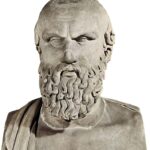
Aeschylus (525 Before Christ to 456 B.C.) was an ancient Greek author of Greek tragedy, and is often described as the father of tragedy. Academics’ knowledge of the genre begins with his work, and understanding of earlier Greek tragedy is largely based on inferences made from reading his surviving plays. According to Aristotle, he expanded the number of characters in the theatre and allowed conflict among them.