
A poem by Aeschylus (c. 525 – c. 456 Before Christ )
The man who rightly acts without coercion
Will not be grieved, can never wholly sink in wretchedness;
While the lawless criminal is forcibly dragged under
In the current of time when from the shattered mast
The elements rip down his sails.
He shouts, there is no ear to hear him
Struggling, hopeless, at the maelstrom’s center.
Gods laugh at the transgressor now,
Watching him, his pride now wrecked,
Caught in desperation’s shackles.
He flees the rocks in vain;
His fortunes smash on retribution’s reef
And, unmourned, he is engulfed.

A few random poems:
- Альфред Теннисон – В долине
- Николай Гумилев – За стенами старого аббатства
- Аля Кудряшева – Если ты, к примеру, кролик с шелковистыми ушами
- A Dialogue Of Self And Soul by William Butler Yeats
- Transcended Land Of Love by Vaishnavi Prakash
- Botanically by Satish Verma
- Ольга Седакова – Музыка
- Владимир Маяковский – Размышления у парадного подъезда
- Robert Burns: The Winter It Is Past:
- how did poetry begin? by Raj Arumugam
- Business Girls poem – John Betjeman poems | Poems and Poetry
- In Praise Of Limestone by W H Auden
- Юлия Друнина – Страна Юность
- Elegy V. Anno Aet. 20. On The Approach Of Spring (Translated From Milton) by William Cowper
- English Poetry. Robert William Service. Dark Glasses. Роберт Уильям Сервис.
External links
Bat’s Poetry Page – more poetry by Fledermaus
Talking Writing Monster’s Page –
Batty Writing – the bat’s idle chatter, thoughts, ideas and observations, all original, all fresh
Poems in English
- Sonnet 48: How careful was I, when I took my way by William Shakespeare
- Sonnet 47: Betwixt mine eye and heart a league is took by William Shakespeare
- Sonnet 46: Mine eye and heart are at a mortal war by William Shakespeare
- Sonnet 45: The other two, slight air and purging fire by William Shakespeare
- Sonnet 44: If the dull substance of my flesh were thought by William Shakespeare
- Sonnet 43: When most I wink, then do mine eyes best see by William Shakespeare
- Sonnet 42: That thou hast her, it is not all my grief by William Shakespeare
- Sonnet 41: Those pretty wrongs that liberty commits by William Shakespeare
- Sonnet 40: Take all my loves, my love, yea, take them all by William Shakespeare
- Sonnet 3: Look in thy glass, and tell the face thou viewest by William Shakespeare
- Sonnet 39: O, how thy worth with manners may I sing by William Shakespeare
- Sonnet 38: How can my Muse want subject to invent by William Shakespeare
- Sonnet 37: As a decrepit father takes delight by William Shakespeare
- Sonnet 36: Let me confess that we two must be twain by William Shakespeare
- Sonnet 35: No more be grieved at that which thou hast done by William Shakespeare
- Sonnet 34: Why didst thou promise such a beauteous day by William Shakespeare
- Sonnet 33: Full many a glorious morning have I seen by William Shakespeare
- Sonnet 74: But be contented when that fell arrest by William Shakespeare
- Sonnet 73: That time of year thou mayst in me behold by William Shakespeare
- Sonnet 72: O, lest the world should task you to recite by William Shakespeare
More external links (open in a new tab):
Doska or the Board – write anything
Search engines:
Yandex – the best search engine for searches in Russian (and the best overall image search engine, in any language, anywhere)
Qwant – the best search engine for searches in French, German as well as Romance and Germanic languages.
Ecosia – a search engine that supposedly… plants trees
Duckduckgo – the real alternative and a search engine that actually works. Without much censorship or partisan politics.
Yahoo– yes, it’s still around, amazingly, miraculously, incredibly, but now it seems to be powered by Bing.
Parallel Translations of Poetry
The Poetry Repository – an online library of poems, poetry, verse and poetic works
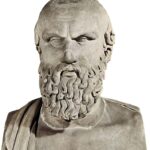
Aeschylus (525 Before Christ to 456 B.C.) was an ancient Greek author of Greek tragedy, and is often described as the father of tragedy. Academics’ knowledge of the genre begins with his work, and understanding of earlier Greek tragedy is largely based on inferences made from reading his surviving plays. According to Aristotle, he expanded the number of characters in the theatre and allowed conflict among them.