
A poem by Aeschylus (c. 525 – c. 456 Before Christ )
Now do our eyes behold
The tidings which were told:
Twin fallen kings, twin perished hopes to mourn,
The slayer, the slain,
The entangled doom forlorn
And ruinous end of twain.
Say, is not sorrow, is not sorrow’s sum
On home and hearthstone come?
Oh, waft with sighs the sail from shore,
Oh, smite the bosom, cadencing the oar
That rows beyond the rueful stream for aye
To the far strand,
The ship of souls, the dark,
The unreturning bark
Whereon light never falls nor foot of Day,
Even to the bourne of all, to the unbeholden land.

A few random poems:
- Brookwell by William Barnes
- O Singer in Brown by Mary Gilmore
- Владимир Высоцкий – Утренняя гимнастика
- Far Out by Philip Larkin
- Io v’amo sol perche (I Love You Simply Because) by Torquato Tasso
- Владимир Высоцкий – Она была в Париже
- Noe more unto my thoughts appeare by Sidney Godolphin
- Robert Burns: Rattlin’, Roarin’ Willie:
- was_then.html
- Николай Огарев – Тебе я счастья не давал довольно
- The Methodist by Thomas Chatterton
- November by William Cullen Bryant
- Euclid by Vachel Lindsay
- “`Roses crimson, roses white” poem – Alfred Austin
- Ode on St. Cecilia’s Day poem – Alexander Pope poems | Poetry Monster
External links
Bat’s Poetry Page – more poetry by Fledermaus
Talking Writing Monster’s Page –
Batty Writing – the bat’s idle chatter, thoughts, ideas and observations, all original, all fresh
Poems in English
- Arrival by William Carlos Williams
- April Is The Saddest Month by William Carlos Williams
- Après le Bain by William Carlos Williams
- Approach Of Winter by William Carlos Williams
- A Sort Of A Song by William Carlos Williams
- A Goodnight by William Carlos Williams
- A Celebration by William Carlos Williams
- Women And Roses by Robert Browning
- Venus, on a fur by Witty Fay
- Ultima Thule by William Ellery Leonard
- To the Victor by William Ellery Leonard
- The Image Of Delight by William Ellery Leonard
- The First Part: Sonnet 5 – How that vast heaven intitled First is roll’d, by William Drummond
- The First Part: Sonnet 4 – Fair is my yoke, though grievous be my pains, by William Drummond
- The First Part: Sonnet 3 – Ye who so curiously do paint your thoughts, by William Drummond
- The First Part: Sonnet 2 – I know that all beneath the moon decays by William Drummond
- The First Part: Sonnet 14 – Nor Arne, nor Mincius, nor stately Tiber, by William Drummond
- The First Part: Sonnet 13 – O sacred blush, impurpling cheeks’ pure skies by William Drummond
- The First Part: Sonnet 12 – Ah! burning thoughts, now let me take some rest, by William Drummond
- The First Part: Sonnet 11 – Lamp of heaven’s crystal hall that brings the hours, by William Drummond
More external links (open in a new tab):
Doska or the Board – write anything
Search engines:
Yandex – the best search engine for searches in Russian (and the best overall image search engine, in any language, anywhere)
Qwant – the best search engine for searches in French, German as well as Romance and Germanic languages.
Ecosia – a search engine that supposedly… plants trees
Duckduckgo – the real alternative and a search engine that actually works. Without much censorship or partisan politics.
Yahoo– yes, it’s still around, amazingly, miraculously, incredibly, but now it seems to be powered by Bing.
Parallel Translations of Poetry
The Poetry Repository – an online library of poems, poetry, verse and poetic works
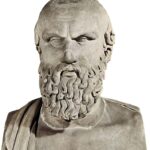
Aeschylus (525 Before Christ to 456 B.C.) was an ancient Greek author of Greek tragedy, and is often described as the father of tragedy. Academics’ knowledge of the genre begins with his work, and understanding of earlier Greek tragedy is largely based on inferences made from reading his surviving plays. According to Aristotle, he expanded the number of characters in the theatre and allowed conflict among them.