
A poem by Aeschylus (c. 525 – c. 456 Before Christ )
Earth is rocking in space!
And the thunders crash up with a roar upon roar,
And the eddying lightnings flash fire in my face,
And the whirlwinds are whirling the dust round and round-
And the blasts of the winds universal leap free
And blow each other upon each, with a passion of sound,
And æther goes mingling in storm with the sea!
Such a curse on my head, in a manifest dread,
From the hand of your Zeus has been hurtled along!
O my mother’s fair glory! O Æther, enringing
All eyes with the sweet common light of thy bringing,
Dost see how I suffer this wrong?

A few random poems:
- Ageing Schoolmaster by Vernon Scannell
- AN HYMN TO THE MUSES by Robert Herrick
- Ольга Берггольц – Ты в пустыню меня послала
- Владимир Бенедиктов – Роза и дева
- EVENING… by R.M. Engelhardt
- Олег Бундур – Аппетит
- Thanatopsis by William Cullen Bryant
- Владимир Высоцкий – Песня о погибшем лётчике
- Robert Burns: The Highland Widow’s Lament :
- Paragraphs from a Day-Book by Marilyn Hacker
- Владимир Маяковский – Реклама Резинотрест
- A Valentine’s Song by Robert Louis Stevenson
- Poem of Remembrance for a Girl or a Boy. by Walt Whitman
- Владимир Маяковский – Пилсудский
- PLEADING by Satish Verma
External links
Bat’s Poetry Page – more poetry by Fledermaus
Talking Writing Monster’s Page –
Batty Writing – the bat’s idle chatter, thoughts, ideas and observations, all original, all fresh
Poems in English
- The Messiah : A Sacred Eclogue poem – Alexander Pope poems | Poetry Monster
- The Looking-Glass. : on Mrs. Pulteney poem – Alexander Pope poems | Poetry Monster
- The Iliad: Book VI (excerpt) poem – Alexander Pope poems | Poetry Monster
- The Fable of Dryope – Ovid’s Metamorphoses Book 9, [v. 324-393] poem – Alexander Pope poems | Poetry Monster
- The Dying Christian to His Soul poem – Alexander Pope poems | Poetry Monster
- The Dunciad: Book IV poem – Alexander Pope poems | Poetry Monster
- The Dunciad: Book III. poem – Alexander Pope poems | Poetry Monster
- The Dunciad: Book II. poem – Alexander Pope poems | Poetry Monster
- The Dunciad: Book I. poem – Alexander Pope poems | Poetry Monster
- The Challenge: A Court Ballad poem – Alexander Pope poems | Poetry Monster
- The Basset-Table : An Eclogue poem – Alexander Pope poems | Poetry Monster
- Summer poem – Alexander Pope poems | Poetry Monster
- Summer – The Second Pastoral; or Alexis poem – Alexander Pope poems | Poetry Monster
- Summer – The Second Pastoral; or Alexis poem – Alexander Pope poems | Poetry Monster
- Spring – The First Pastoral ; or Damon poem – Alexander Pope poems | Poetry Monster
- Sound And Sense poem – Alexander Pope poems | Poetry Monster
- Song, by a Person of Quality poem – Alexander Pope poems | Poetry Monster
- Solitude: An Ode poem – Alexander Pope poems | Poetry Monster
- Solitude poem – Alexander Pope poems | Poetry Monster
- Sappho to Phaon (Ovid Heroid XV) poem – Alexander Pope poems | Poetry Monster
More external links (open in a new tab):
Doska or the Board – write anything
Search engines:
Yandex – the best search engine for searches in Russian (and the best overall image search engine, in any language, anywhere)
Qwant – the best search engine for searches in French, German as well as Romance and Germanic languages.
Ecosia – a search engine that supposedly… plants trees
Duckduckgo – the real alternative and a search engine that actually works. Without much censorship or partisan politics.
Yahoo– yes, it’s still around, amazingly, miraculously, incredibly, but now it seems to be powered by Bing.
Parallel Translations of Poetry
The Poetry Repository – an online library of poems, poetry, verse and poetic works
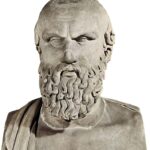
Aeschylus (525 Before Christ to 456 B.C.) was an ancient Greek author of Greek tragedy, and is often described as the father of tragedy. Academics’ knowledge of the genre begins with his work, and understanding of earlier Greek tragedy is largely based on inferences made from reading his surviving plays. According to Aristotle, he expanded the number of characters in the theatre and allowed conflict among them.