
Astrophel and Stella: I
by Sir Philip Sidney
ASTROPHEL AND STELLA: I
Loving in truth, and fain in verse my love to show,
That she, dear she, might take some pleasure of my pain,–
Pleasure might cause her read, reading might make her know,
Knowledge might pity win, and pity grace obtain,–
I sought fit words to paint the blackest face of woe;
Studying inventions fine her wits to entertain,
Oft turning others’ leaves, to see if thence would flow
Some fresh and fruitful showers upon my sunburn’d brain.
But words came halting forth, wanting invention’s stay;
Invention, Nature’s child, fled step-dame Study’s blows;
And others’ feet still seem’d but strangers in my way.
Thus great with child to speak and helpless in my throes,
Biting my truant pen, beating myself for spite,
“Fool,” said my Muse to me, “look in thy heart, and write.”
End of the poem
15 random poems
- Наум Коржавин – Поэзия не страсть, а власть
- Ma Wonders by Miraj Patel
- Шекспир – Лелеет лето лучший свой цветок – Сонет 94
- Robert Burns: Braw Lads O’ Galla Water:
- Владимир Вишневский – Долго же мы друг друга откладывали
- Омар Хайям – Что меня ожидает, неведомо мне
- The Little Big Man by Rabindranath Tagore
- Валерий Брюсов – Гнутся высокие лотосы
- Владимир Британишский – На Марсовом поле
- A Florida Ghost. by Sidney Lanier
- City Dead-House, The. by Walt Whitman
- When I Came Last to Ludlow poem – A. E. Housman
- death039s_claim.html
- Аля Кудряшева – Когда наступает вечер
- Sonnet 89: Say that thou didst forsake me for some fault by William Shakespeare
Some external links:
Duckduckgo.com – the alternative in the US
Quant.com – a search engine from France, and also an alternative, at least for Europe
Yandex – the Russian search engine (it’s probably the best search engine for image searches).
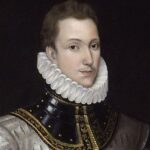
Sir Philip Sidney (1554-1586) was an English courtier, statesman, soldier, diplomat, writer, and patron of scholars and poets. He was a godson of Philip II of Spain. Sir Philip Sidney was considered the ideal gentleman of his day. He is also one of the most important poets of the Elizabethan Era.