
Leave Me, O Love Which Reachest But To Dust
by Sir Philip Sidney
Leave me, O love which reachest but to dust,
And thou, my mind, aspire to higher things;
Grow rich in that which never taketh rust:
Whatever fades but fading pleasure brings.
Draw in thy beams, and humble all thy might
To that sweet yoke where lasting freedoms be,
Which breaks the clouds and opens forth the light
That doth both shine and give us sight to see.
O, take fast hold; let that light be thy guide
In this small course which birth draws out to death,
And think how evil becometh him to slide
Who seeketh heaven, and comes of heavenly breath.
Then farewell, world! thy uttermost I see:
Eternal Love, maintain thy life in me.
End of the poem
15 random poems
- STUNNED by Satish Verma
- On His Eightieth Birthday by Walter Savage Landor
- Нина Воронель – Суета
- Sonnet 104: To me, fair friend, you never can be old by William Shakespeare
- The Snake
- Writing Strategy: On Getting Inspired Everyday
- Evening by Olivia Lewis
- Journey with God by Raj Napal
- Marsh Hymns by Sidney Lanier
- The Bull Moose
- Владимир Высоцкий – Давно, в эпоху мрачного язычества
- Robert Burns: Despondency: An Ode:
- Love’s Confession poem – Yuvraj Johri poems | Poetry Monster
- The Husband’s Black Hands by Mallika Sengupta
- A Poem about Sauerkraut
Some external links:
Duckduckgo.com – the alternative in the US
Quant.com – a search engine from France, and also an alternative, at least for Europe
Yandex – the Russian search engine (it’s probably the best search engine for image searches).
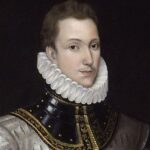
Sir Philip Sidney (1554-1586) was an English courtier, statesman, soldier, diplomat, writer, and patron of scholars and poets. He was a godson of Philip II of Spain. Sir Philip Sidney was considered the ideal gentleman of his day. He is also one of the most important poets of the Elizabethan Era.