
Philomela
by Sir Philip Sidney
The nightingale, as soon as April bringeth
Unto her rested sense a perfect waking,
While late bare earth, proud of new clothing, springeth,
Sings out her woes, a thorn her song-book making,
And, mournfully bewailing,
Her throat in tunes expresseth
What grief her breast oppresseth,
For Tereus’ force on her chaste will prevailing.
O Philomela fair, O take some gladness,
That here is juster cause of plaintful sadness:
Thine earth now springs, mine fadeth;
Thy thorn without, my thorn my heart invadeth.
Alas, she hath no other cause of anguish
But Tereus’ love, on her by strong hand wroken,
Wherein she suffering, all her spirits languish,
Full womanlike complains her will was broken.
But I, who, daily craving,
Cannot have to content me,
Have more cause to lament me,
Since wanting is more woe than too much having.
O Philomela fair, O take some gladness,
That here is juster cause of plaintful sadness:
Thine earth now springs, mine fadeth;
Thy thorn without, my thorn my heart invadeth.
End of the poem
15 random poems
- Good-bye by Walter de la Mare
- The Lament Of The Old Nurse
- Владимир Британишский – Царство – одно, но России-то – две
- Владимир Высоцкий – Дорога, дорога, счёта нет шагам
- Duns Scotus’s Oxford poem – Gerard Manley Hopkins poems
- Владимир Солоухин – Ветер
- Release by Marie Starr
- My November Guest by Robert Frost
- A Woman Waking by Philip Levine
- Aunt Jennifer039s Tigers
- The Callous Statues by Shahida Latif
- Seed Time And Harvest
- Middle Age
- A Prayer poem – Amy Levy poems | Poems and Poetry
- Words Of Love Forevermore by Timothy Thomas Fortune
Some external links:
Duckduckgo.com – the alternative in the US
Quant.com – a search engine from France, and also an alternative, at least for Europe
Yandex – the Russian search engine (it’s probably the best search engine for image searches).
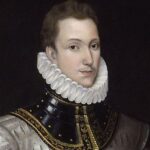
Sir Philip Sidney (1554-1586) was an English courtier, statesman, soldier, diplomat, writer, and patron of scholars and poets. He was a godson of Philip II of Spain. Sir Philip Sidney was considered the ideal gentleman of his day. He is also one of the most important poets of the Elizabethan Era.