
Astrophel and Stella: LXXI
by Sir Philip Sidney
Who will in fairest book of nature know
How virtue may best lodg’d in beauty be,
Let him but learn of love to read in thee,
Stella, those fair lines which true goodness show.
There shall he find all vices’ overthrow,
Not by rude force, but sweetest sovereignty
Of reason, from whose light those night-birds fly;
That inward sun in thine eyes shineth so.
And, not content to be perfection’s heir
Thyself, dost strive all minds that way to move,
Who mark in thee what is in thee most fair.
So while thy beauty draws thy heart to love,
As fast thy virtue bends that love to good:
But “Ah,” Desire still cries, “Give me some food!”
End of the poem
15 random poems
- Stepping Westward by William Wordsworth
- Mark Twain and Joan of Arc by Vachel Lindsay
- Владимир Маяковский – Дела вузные, хорошие и конфузные
- His Insufficiency Of Praise by Luis Vaz de Camoes
- I am content here by Raj Arumugam
- Владимир Маяковский – Не эти правильно революцию празднуют… (РОСТА №399)
- Flowers by Thomas Hood
- Владимир Маяковский – В шикарном вагоне, в вагоне-салоне… (Главполитпросвет №315)
- Music poem – Amy Lowell poems | Poems and Poetry
- Ольга Седакова – Всё, и сразу
- Subject to Change by Marilyn L. Taylor
- Владимир Маяковский – Товарищ Иванов
- Me’th Below The Tree by William Barnes
- Of the Visage of Things. by Walt Whitman
- Spider by Sylvia Plath
Some external links:
Duckduckgo.com – the alternative in the US
Quant.com – a search engine from France, and also an alternative, at least for Europe
Yandex – the Russian search engine (it’s probably the best search engine for image searches).
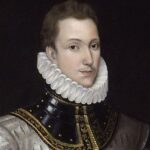
Sir Philip Sidney (1554-1586) was an English courtier, statesman, soldier, diplomat, writer, and patron of scholars and poets. He was a godson of Philip II of Spain. Sir Philip Sidney was considered the ideal gentleman of his day. He is also one of the most important poets of the Elizabethan Era.